
Product Description
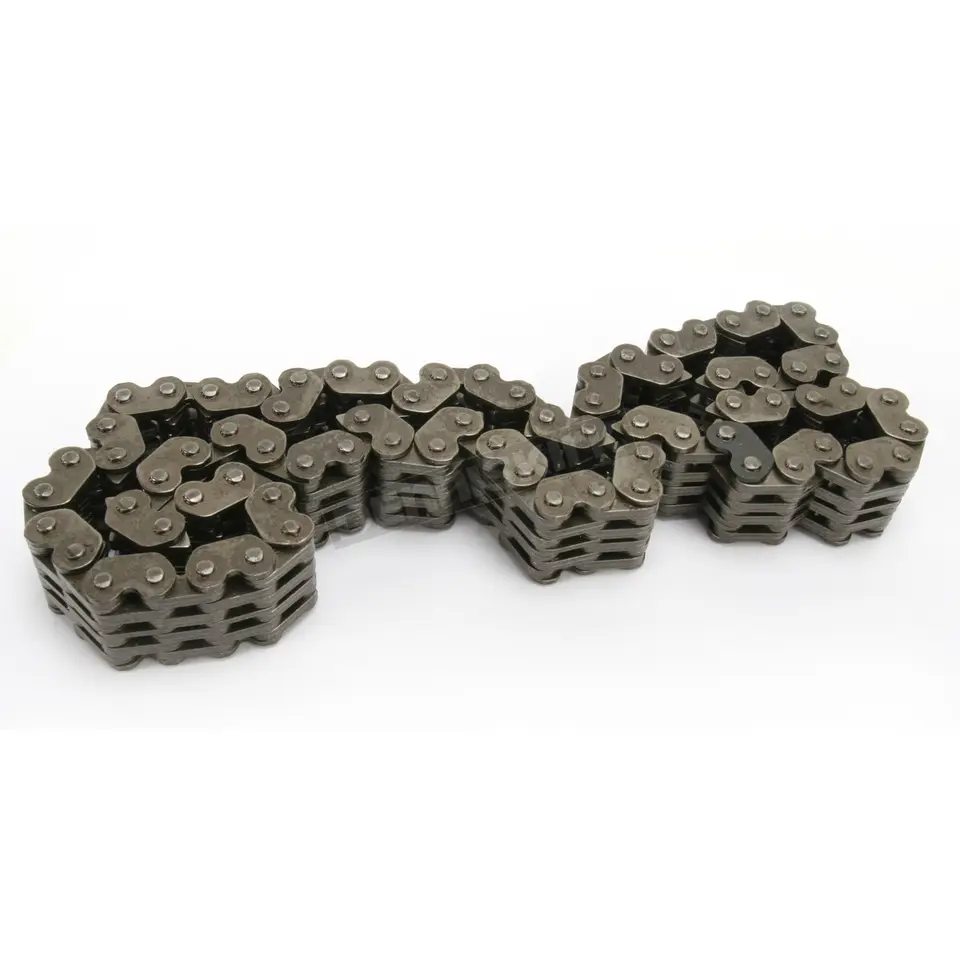
| Item | Silent Chain | Application | Machinery Parts |
| Surface Teatment | Self-color/Sand-blasted/Shot-peening | Brand | OEM |
| Package | Poly bag, then box, finally poly-wooden case | Port | Any sea port or airport in China |
| Standard or Nonstandard: | Standard |
|---|---|
| Application: | Textile Machinery, Garment Machinery, Conveyer Equipment, Packaging Machinery, Electric Cars, Motorcycle, Food Machinery, Marine, Mining Equipment, Agricultural Machinery, Car |
| Surface Treatment: | Polishing |
| Structure: | Silent Chain |
| Material: | Carbon Steel |
| Type: | Short Pitch Chain |
| Samples: |
US$ 5/Several Links
1 Several Links(Min.Order) | |
|---|
| Customization: |
Available
| Customized Request |
|---|
Can a silent chain be used in corrosive or abrasive environments?
A silent chain can be used in corrosive or abrasive environments, but the selection of the appropriate chain material is crucial to ensure its performance and longevity.
Corrosion-resistant materials:
– In corrosive environments where the chain is exposed to chemicals, moisture, or saltwater, it is essential to choose a silent chain made from corrosion-resistant materials.
– Stainless steel chains or chains with coatings or platings such as zinc or nickel are commonly used to provide excellent resistance against corrosion.
Abrasion-resistant materials:
– In abrasive environments where the chain may come into contact with abrasive particles or materials, it is important to select a silent chain with high abrasion resistance.
– Chains made from materials such as hardened steel or those with specialized coatings or surface treatments can withstand the abrasive wear.
– Additionally, using attachments or guides made from wear-resistant materials can further enhance the chain’s durability in abrasive environments.
Regular maintenance:
– Even with corrosion-resistant or abrasion-resistant chains, regular maintenance is necessary to ensure their performance in harsh environments.
– Regular cleaning, inspection, and lubrication of the chain can help remove contaminants and reduce the potential for corrosion or wear.
– Promptly replacing any worn-out or damaged components is also important to prevent further deterioration.
By selecting the appropriate chain material and implementing regular maintenance practices, a silent chain can be effectively used in corrosive or abrasive environments, providing reliable and efficient operation.

What are the maintenance requirements for a silent chain?
Maintaining a silent chain is essential to ensure its optimal performance and longevity. Here are the key maintenance requirements for a silent chain:
1. Regular Inspection: Conduct regular visual inspections of the silent chain to check for any signs of wear, damage, or misalignment. Look for elongation, cracked or damaged links, loose pins, and excessive wear on the sprockets.
2. Lubrication: Proper lubrication is crucial for the smooth operation of a silent chain. Apply the recommended lubricant to the chain to reduce friction, wear, and noise. Follow the manufacturer’s guidelines for the type of lubricant to use and the recommended intervals for lubrication.
3. Tensioning: Check the tension of the silent chain regularly to ensure it is properly tensioned. Improper tension can lead to chain skipping, excessive wear, and reduced performance. Adjust the tension according to the manufacturer’s recommendations or guidelines.
4. Cleaning: Keep the silent chain and its surroundings clean to prevent the accumulation of dirt, debris, or contaminants. Clean the chain regularly using suitable cleaning methods to remove any buildup that may affect its performance.
5. Replacement of Worn Parts: If any components of the silent chain, such as links, pins, or sprockets, are excessively worn or damaged, they should be replaced promptly. Continuing to use a worn chain can lead to decreased performance, increased noise, and potential failure.
6. Proper Storage: When not in use, store the silent chain in a clean and dry environment to protect it from moisture, corrosion, and other damaging elements.
7. Regular Maintenance Schedule: Establish a regular maintenance schedule for the silent chain based on its usage, operating conditions, and manufacturer’s recommendations. This schedule should include inspections, lubrication, tension checks, and any other necessary maintenance tasks.
By following these maintenance requirements, you can ensure the silent chain operates efficiently, minimizes downtime, and extends its service life.

How does a silent chain differ from other types of chains?
A silent chain, also known as an inverted tooth chain or silent synchronous chain, differs from other types of chains in several ways:
1. Tooth Profile: Silent chains have a unique tooth profile compared to traditional roller chains or flat-top chains. The teeth of a silent chain are shaped like inverted “V” or “U,” allowing for positive engagement with sprockets or pulleys.
2. Noise and Vibration: Silent chains are designed to operate quietly with minimal noise and vibration. The tooth profile and cushioning effect of the chain reduce the impact and noise generated during operation, making them suitable for applications where noise reduction is important.
3. Load Capacity: Silent chains offer high load-carrying capacity. The interlocking tooth design provides a larger contact area, enabling the chain to withstand heavy loads without sacrificing performance.
4. Speed and Position Control: Silent chains provide accurate speed and position control due to their positive engagement with sprockets or pulleys. This makes them ideal for applications that require precise timing and synchronization.
5. Backlash: Silent chains have minimal backlash, which refers to the play or movement between the teeth and sprockets/pulleys. This feature helps in maintaining precise motion control and reduces the risk of positioning errors or fluctuations.
6. Application Range: Silent chains are commonly used in power transmission systems that require quiet operation, high load capacity, and precise motion control. They are often found in automotive engines, industrial machinery, robotics, and other applications where reliable and efficient power transmission is essential.
It’s important to note that while silent chains offer specific advantages, they may not be suitable for all applications. Factors such as load requirements, speed, environmental conditions, and specific application needs should be considered when selecting the appropriate chain type for a particular system.


editor by CX 2023-08-15