
Product Description
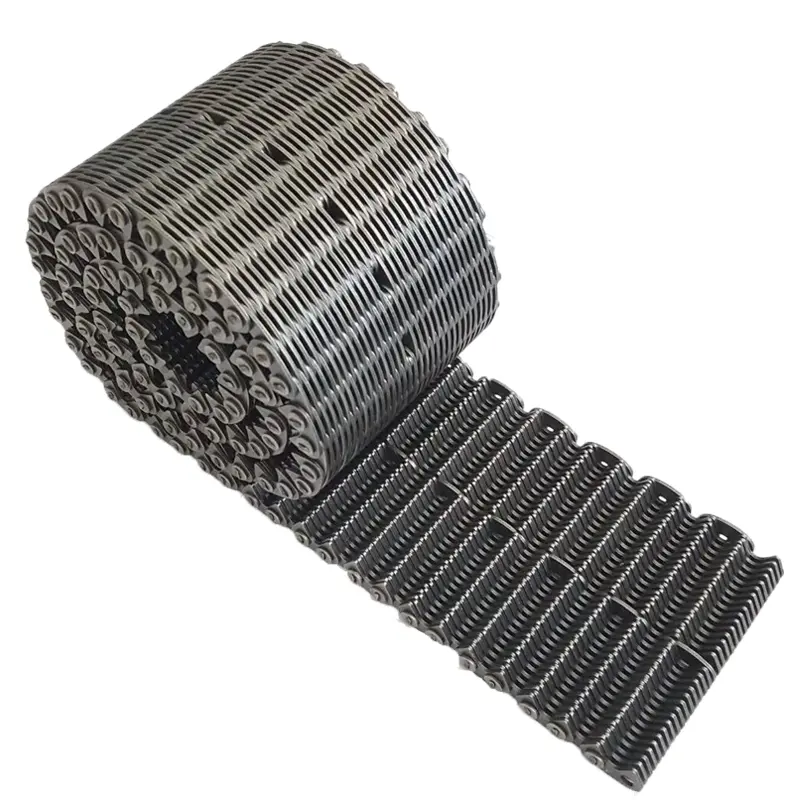
ISO Standard Hy-Vo Silent Chain for Industry Area
Product Description
1. Chain types: Roller chain, conveyor chain, transmission chain, motorcycle roller chain, silent chain, oil pump chain, weld steel drag chain, plastic chain, etc;
2. Main materials: It is 40Mn. 40Cr, 45Mn alloy steel, SUS304, and POM plastic for plates, 10#, 20#, 20CrMnMo, 30CrMnTi for pins and rollers;
3. Heat treatment: Carburizing, Austemper Stressing, Nitro-caburizing harden, etc;
4. Surface: Shot peening, blackening, bluing or original;
5. Package way: Plastic bag+ carton box+ plywood case
| Product name | ISO Standard Hy-Vo Silent Chain for Industry Area |
| Materials Available | 1. Stainless Steel: SS304, SS316, etc |
| 2. Alloy Steel: 45Mn, 42CrMo, 20CrMo, etc | |
| 3. OEM according to your request | |
| Surface Treatment | Shot peening, Blackening, Oxygenation, Polishing, Zinc-plated, Nickel-plated, Anodized, etc. |
| Characteristic | Fire Resistant, Oil Resistant, Heat Resistant |
| Design criterion | ISO DIN ANSI & Customer’s Drawing |
| Size | Customer’s Drawing & ISO Standard |
| Application | Mainly used in products transmission |
| Package | Wooden Case / Container and pallet, or made-to-order |
| Certificate | ISO9001: 2008 |
| Advantage | First quality, Best service, Competitive price, Fast delivery |
| Delivery Time | 20 days for samples. 45 days for official order. |
| Chain No. | Pitch | Chain width | Pin length | Distaance from hole center to tooth | Plate depth | Plate thickness | Xihu (West Lake) Dis. from | Number of plates | Ultimate tensile stregth | Average tensile strength | Weigth per meter |
| P | b max |
L max |
h1 | h2 max |
T | n | Q min |
Q0 | q | ||
| mm | mm | mm | mm | mm | mm | kN/LB | kN | kg/m | |||
| HV6 | 19.05 | 73.5 | 81.3 | 10.50 | 20.90 | 2.0 | Outside | 17*18 | 174/39100 | 200 | 7.4 |
| HV8 | 25.40 | 48.5 | 56.9 | 14.06 | 27.74 | 3.0 | Outside | 7*8 | 187/42571 | 200 | 7.0 |
View more products,please click here…
Company Profile
| Standard or Nonstandard: | Standard |
|---|---|
| Application: | Marine, Agricultural Machinery, Car |
| Surface Treatment: | Oil Blooming |
| Structure: | Tooth Chain |
| Material: | Carbon Steel |
| Type: | Transmission Chain |
| Samples: |
US$ 0/Meter
1 Meter(Min.Order) | |
|---|
| Customization: |
Available
| Customized Request |
|---|

What are the future trends and advancements in silent chain technology?
The future of silent chain technology is characterized by ongoing advancements aimed at improving performance, durability, and versatility. Here are some key trends and developments:
1. Material Innovations:
– Continued research and development in material science are leading to the discovery and development of new materials with enhanced properties, such as increased strength, improved wear resistance, and better corrosion resistance.
– Advanced composite materials, including carbon fiber and high-performance polymers, are being explored for their potential in silent chain applications.
2. Lubrication Systems:
– Improved lubrication systems are being developed to optimize the lubrication process and enhance the efficiency and longevity of silent chains.
– Self-lubricating chains or advanced lubricants with extended service intervals are being investigated to minimize maintenance requirements.
3. Noise Reduction:
– Efforts are being made to further reduce the noise levels associated with silent chains.
– Design modifications, such as improved tooth profiles and surface treatments, are being implemented to reduce friction and noise generation.
– Noise-dampening materials and coatings are also being explored to mitigate noise during chain operation.
4. Increased Load Capacity:
– Silent chains are being designed to handle higher loads and transmit more power.
– Advancements in material technology, manufacturing processes, and chain design allow for greater load-carrying capacity without compromising durability or performance.
5. Customization and Adaptability:
– Silent chains are becoming more customizable and adaptable to specific applications.
– Manufacturers are offering a wider range of chain sizes, configurations, and attachments to meet diverse customer requirements.
– Computer-aided design and simulation tools enable the optimization of silent chain systems for specific operational conditions and load profiles.
6. Digitalization and Monitoring:
– The integration of digital technologies, such as sensors and data analytics, is enabling real-time monitoring of chain performance and condition.
– Predictive maintenance techniques and remote monitoring systems help identify potential issues and optimize maintenance schedules, improving overall reliability and uptime.
These trends indicate a continuous focus on improving the performance, durability, and adaptability of silent chain technology to meet the evolving needs of various industries and applications.

How do you troubleshoot common issues with silent chains?
Troubleshooting common issues with silent chains is crucial to maintain their optimal performance and prevent downtime. Here are some troubleshooting steps for common silent chain issues:
1. Chain Skipping or Slipping:
– Check the tension of the silent chain and adjust it if necessary. Improper tension can cause skipping or slipping.
– Inspect the sprockets for excessive wear, damaged teeth, or misalignment. Replace any worn or damaged sprockets.
– Examine the chain for worn, damaged, or stiff links. Replace any worn or damaged links.
2. Excessive Noise:
– Check the lubrication of the silent chain. Insufficient or improper lubrication can cause increased noise. Apply the recommended lubricant according to the manufacturer’s guidelines.
– Inspect the sprockets for wear or damage. Worn or damaged sprockets can contribute to increased noise. Replace any worn or damaged sprockets.
– Verify that the silent chain is properly tensioned. Improper tension can result in increased noise. Adjust the tension if necessary.
3. Chain Elongation:
– Measure the length of the silent chain using a chain gauge or calipers. If the chain has elongated beyond the manufacturer’s specified limits, it may need to be replaced.
– Examine the chain for worn or stiff links. Worn links can contribute to chain elongation. Replace any worn links.
– Ensure the silent chain is properly tensioned. Excessive tension can lead to chain elongation. Adjust the tension if necessary.
4. Excessive Wear:
– Inspect the sprockets for excessive wear, damaged teeth, or misalignment. Replace any worn or damaged sprockets.
– Check the lubrication of the silent chain. Insufficient or improper lubrication can accelerate wear. Apply the recommended lubricant according to the manufacturer’s guidelines.
– Verify that the chain tension is within the manufacturer’s specified range. Excessive or insufficient tension can contribute to excessive wear. Adjust the tension if necessary.
5. Misalignment:
– Check the alignment of the sprockets. Misaligned sprockets can cause the chain to run off track. Adjust the sprocket alignment if necessary.
– Inspect the chain guides and ensure they are properly positioned and aligned. Misaligned or damaged chain guides can contribute to chain misalignment.
– Verify that the chain tension is evenly distributed. Uneven tension can cause the chain to veer off track. Adjust the tension if necessary.
If troubleshooting these common issues does not resolve the problem, it is recommended to consult the manufacturer’s guidelines or seek assistance from a qualified professional to diagnose and address the specific issue with the silent chain.
What are the main components of a silent chain?
A silent chain, also known as an inverted tooth chain or silent synchronous chain, consists of several key components that work together to transmit power efficiently and smoothly. The main components of a silent chain include:
1. Plates: The plates are the main links in the chain and are typically made of high-quality alloy steel. These plates have a unique shape with inverted teeth on both sides that engage with the sprockets.
2. Pins: The pins connect the plates together and provide flexibility for the chain to articulate. They are made of hardened steel and are precisely positioned within the chain links.
3. Bushings: The bushings are cylindrical components that fit inside the plates and provide a bearing surface for the pins. They are typically made of bronze or other self-lubricating materials to reduce friction and wear.
4. Sprockets: The sprockets are toothed wheels that engage with the inverted teeth on the chain plates. They provide the driving force and control the movement of the chain. The sprockets are precisely designed to match the pitch and tooth profile of the silent chain.
5. Tensioners: Tensioners are used to maintain proper tension in the silent chain. They ensure that the chain stays engaged with the sprockets and prevent slack or excessive tension that could affect the performance and lifespan of the chain.
6. Guides: Guides are optional components that are used to guide the silent chain and keep it properly aligned. They help reduce noise, vibration, and wear by preventing the chain from contacting other surfaces.
These components work together to form a reliable and efficient power transmission system. The precise design and manufacturing of these components contribute to the smooth and silent operation of the chain.


editor by CX 2023-09-04